
Caring for wood to preserve its beauty
Wood is a living, noble and warm material. It gives cabins and outdoor furniture an authentic, elegant and timeless presence. But to preserve its natural beauty and ensure optimal longevity, it requires a few simple, regular and environment-appropriate care routines.
This comprehensive guide, inspired by our daily work in the workshop and our experience as artisans, will help you care for your wood and maintain the beauty of your installations season after season.
Understanding how wood behaves outdoors
Wood is constantly evolving. Exposed to sun, humidity, wind or temperature variations, it may turn grey, expand slightly or lose uniformity. These natural phenomena are part of the life of the material.
However, proper maintenance helps to:
- Preserve its original colour
- Protect the wood fibres
- Slow down natural ageing
- Improve resistance to weather conditions
- Extend the lifespan of each structure
Even when your cabin is made from durable wood and finished to a high standard, a few regular actions will ensure excellent long-term performance.
Cleaning: a simple but essential step
Good maintenance always begins with gentle cleaning.
We recommend cleaning once in spring and once in autumn, especially if the cabin is exposed to wind or located near vegetation.
How to proceed:
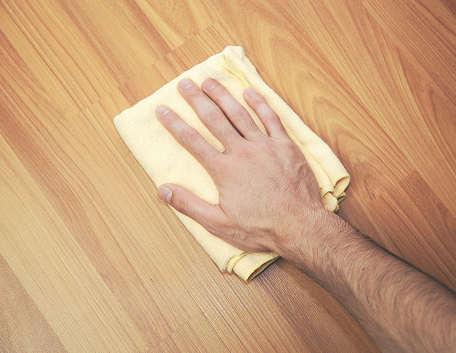
- Use clean water or lightly soapy water (black soap).
- Clean with a soft brush or microfiber cloth.
- Rinse with clear water and let dry naturally.
Avoid pressure washers at all costs, as they are too aggressive for the wood fibres.
Maintaining colour with a stain or saturator
Cabins and outdoor furniture can retain their original colour for a long time with the help of specific treatments. Depending on the desired finish, two options are available:
Wood stain
Forms a protective film and enhances the grain of the wood. Requires surface renewal every 2 to 5 years depending on exposure.
Saturator
Transparent or lightly tinted, it penetrates the wood without forming a surface layer. It offers effective protection against UV rays and humidity. Easier to maintain: simply reapply without sanding.
Application frequency:
- Highly exposed areas: once a year
- Moderately exposed areas: every 2 years
- Sheltered areas: approximately every 3 years
Workshop tip: apply products when the outdoor temperature is between 12°C and 25°C for optimal absorption and even drying.
Preventing humidity and ensuring proper ventilation
Wooden cabins are naturally ventilated, but it is still important to check a few points:
- Do not block natural ventilation openings
- Avoid the accumulation of wet leaves or flower pots against the walls
- Monitor areas close to the ground to prevent water stagnation
Good airflow ensures that the wood breathes, preventing mould growth or dark stains.
Acting quickly in case of minor damage
Scratches, impacts, faded colour, chipped paint: wood is easy to repair.
For small touch-ups:
- Lightly sand the affected area
- Remove dust
- Apply a thin coat of the appropriate protective product
By intervening early, you avoid more extensive damage and preserve the overall appearance of the cabin.
Proper maintenance: the key to beauty and longevity
Regular care ensures that your cabins retain their charm year after year. By looking after the wood, you enhance the aesthetics of your outdoor space, improve the durability of your installation and enjoy a consistently impeccable result.
For further guidance or an assessment of an existing cabin, our team remains available to advise you on the best maintenance practices based on your environment and usage.